Supplier Risk & Performance
Supplier Risk & Performance :
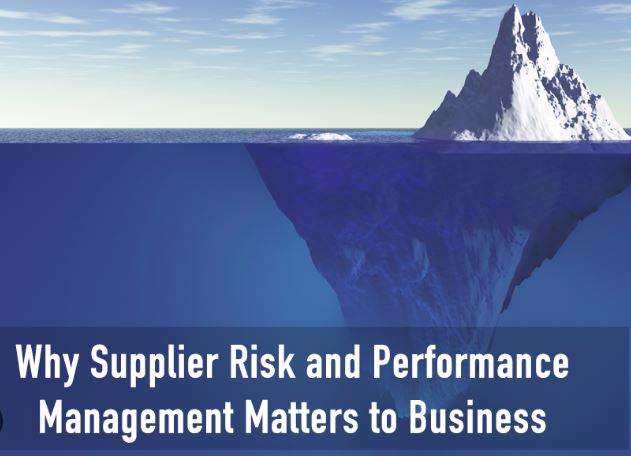
Effective Supplier Risk & Performance Management ensures organizations select the right suppliers, mitigate disruptions, enforce compliance, drive continuous improvement, and build a resilient, high-performing supply chain.
The Belle Global, Inc. platform centralizes all supplier-related risk and performance insights—enabling businesses to make informed decisions, enhance collaboration, and proactively protect operations from supply chain threats
1. Supplier Onboarding & Qualification
Ensures only trustworthy, compliant, and capable suppliers enter your network.
Key capabilities:
- Prequalification questionnaires
- Financial and legal background checks
- Certificates, licenses, and insurance verification
- Compliance with industry standards and regulations
- Risk scoring during onboarding
Outcome: Strong, vetted supplier base from day one.
6. Corrective & Preventive Actions (CAPA)
Manages remediation when issues arise, ensuring suppliers improve and stay aligned with expectations.
Functions include:
- Issue reporting and root cause analysis
- CAPA workflows and task assignment
- Continuous improvement tracking
- Verification of corrective actions
- Escalation paths for high-severity issues
Outcome: Better supplier reliability and reduced recurrence of issues.
2. Supplier Risk Scoring & Monitoring
Continuous tracking of supplier-related risks across operational, financial, compliance, and geopolitical dimensions.
Risk categories include:
- Financial risk (credit scores, bankruptcy signals)
- Operational risk (capacity, delivery reliability)
- Quality risk (defects, non-conformance trends)
- Compliance risk (regulations, certifications, ethical standards)
- Cybersecurity risk (data protection and IT controls)
- Geographic risk (political instability, natural disasters)
Outcome: Real-time risk visibility and early detection of potential disruptions.
7. Risk Alerts & Predictive Insights
Leverages data and analytics to predict potential supplier failures.
Examples:
- Alerts for deteriorating financial scores
- Notifications for delayed shipments
- Supplier capacity risks based on historical trends
- Weather or geopolitical events impacting suppliers
Outcome: Proactive risk mitigation and faster response to supply chain threats.
3. Performance KPIs & Scorecards
Evaluates supplier effectiveness through quantitative and qualitative metrics.
Metrics may include:
- On-time delivery
- Order accuracy
- Quality rating (PPM, defect rates)
- Responsiveness and communication
- Cost competitiveness
- Innovation contribution
- Sustainability and ESG performance
Outcome: Objective performance benchmarking and accountability across suppliers.
8. Multi-Tier Supply Chain Visibility
Tracks risk beyond Tier 1 suppliers into Tier 2 and Tier 3 networks.
Capabilities:
- Relationship mapping
- Visibility into sub-tier dependencies
- Risk tracking across upstream suppliers
- Disruption forecasting
Outcome: A stronger, more resilient supply chain with fewer blind spots.
4. Compliance & Regulatory Management
Ensures suppliers meet legal, environmental, and industry requirements.
Core features:
- Automated document collection (certifications, audits, SDS, insurance)
- Expiration alerts and renewal workflows
- Compliance dashboards for at-risk suppliers
- Support for regulations like REACH, RoHS, OSHA, ISO standards, etc.
Outcome: Reduced compliance risk and audit-ready supplier records.
9. Supplier Collaboration & Engagement
Creates a transparent, shared view of goals, expectations, and performance.
Tools include:
- Shared dashboards
- Joint improvement programs
- Messaging and document collaboration
- Scorecard reviews
Outcome: Improved supplier communication and strategic partnership.
5. Supplier Lifecycle & Relationship Management
Provides a complete view of every supplier’s journey—from onboarding to performance improvement.
Capabilities:
- Relationship history and contract visibility
- Category-specific supplier tiers (strategic, approved, conditional)
- Business reviews and performance evaluations
- Collaboration workspaces for corrective actions
Outcome: Stronger supplier partnerships built on transparency and expectation alignment.
10. Analytics, Reporting & Benchmarking
Real-time intelligence that supports better sourcing decisions and long-term strategy.
Includes:
- Supplier portfolio analysis
- Category-level performance insights
- Spend-risk correlation
- Benchmarking across suppliers and regions
- Executive dashboards
Outcome: Data-driven procurement strategy that optimizes performance and minimizes risk.